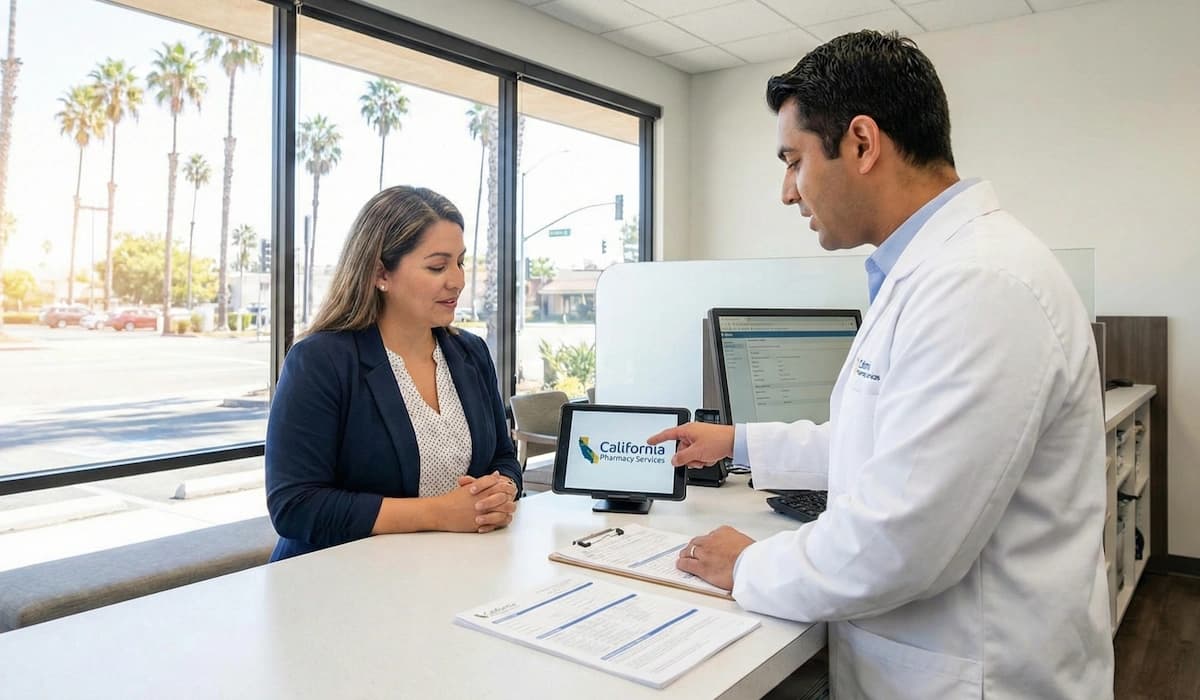
The Reality of Pharmacist Prescribing in California (2026 Update)
Can a pharmacist prescribe medication in California?
Yes, but it is legally distinct from a doctor's broad authority. In California, pharmacists can "furnish" specific medications independently (like birth control, nicotine replacement, and PrEP/PEP) and can manage other prescriptions—including chronic disease medications—under a Collaborative Practice Agreement (CPA) with a physician.
I get asked this question almost daily by patients frustrated by wait times at urgent care. The confusion usually stems from the word "prescribe." Legally, we operate under two main umbrellas here in California:
- Independent Authority (SB 493 and SB 159): This allows us to assess you and provide medications for travel health, hormonal contraception, and HIV prevention without you seeing a doctor first.
- Advanced Practice Pharmacist (APh): If we have this license and a signed agreement with a doctor (CPA), we can adjust drug therapies, order labs, and manage your care directly.

Figure: Infographic comparing "Furnishing" vs. "Prescribing" authority.
How do California controlled substances laws affect pharmacists?
Pharmacists generally cannot independently initiate prescriptions for controlled substances. However, under a Collaborative Practice Agreement (CPA), an Advanced Practice Pharmacist (APh) may be authorized to adjust or manage controlled substance therapy, provided they comply with DEA registration requirements and state-specific protocols.
In my experience working with pain management clinics, this is the gray area that confuses most providers. I remember a specific case last year where a patient needed a dosage adjustment for their opioid therapy on a Friday afternoon.
Because our pharmacy had a robust CPA with the local pain specialist, I was able to authorize the adjustment within the agreed-upon protocol. This saved the patient a weekend of withdrawal or an ER visit.
If a pharmacist tells you they "can't" change a controlled substance, they aren't being difficult. They are protecting their license against strict federal and state oversight.
What are the current controlled substance prescribing guidelines?
Prescribers and pharmacists must prioritize patient safety by using the lowest effective dose for the shortest duration. Guidelines mandate reviewing patient history for "red flags," utilizing the CURES database, and strictly adhering to the "corresponding responsibility" doctrine, which holds pharmacists equally liable for validating a prescription’s medical necessity.
We have moved past the era of "fill it and forget it." The guidelines in California are designed to prevent diversion. When I verify a prescription, I am looking for three things:
- Legitimacy: Is the prescriber acting within their scope?
- Therapeutic appropriateness: Does the dose match the diagnosis?
- Safety: Are there dangerous interactions?
The "Reddit vs. Reality" Gap: Getting Refills
I see this thread pop up on Reddit constantly: "Can the pharmacist just give me a few pills of Adderall until my doctor gets back?"
The Short Answer: No.
While we want to help, California controlled substances laws are rigid. Unlike blood pressure medication, where we might have some leeway for an emergency supply, Schedule II drugs (like Adderall or Oxycodone) generally cannot be dispensed without a valid, hard-copy or e-script from the prescriber.
How does the California PMP (CURES) work?
The Controlled Substance Utilization Review and Evaluation System (CURES) is California’s Prescription Drug Monitoring Program (PMP). All prescribers and pharmacists are legally mandated to consult this database before prescribing or dispensing Schedule II-IV controlled substances to identify potential abuse or dangerous drug interactions.
Using California PMP data is not optional for us. Before I even say hello to a patient picking up a new controlled medication, I have likely already logged into CURES.
I check for:
- Duplicate therapies from different doctors.
- Early refill attempts.
- Dangerous combinations (like benzodiazepines mixed with opioids).
It isn't about policing you; it's about keeping you alive.
Do insurance plans cover pharmacist-prescribed medications?
Generally, yes, the medication itself is covered by insurance just like a doctor's prescription. However, the pharmacist's "service fee" or "consultation fee" for the assessment often is not covered and may require an out-of-pocket cash payment ranging from $25 to $50.
This is the biggest shock for patients. When I furnish birth control or travel meds, the drug copay might be $0, but I have to charge a service fee for my time because many insurers don't yet recognize pharmacists as "providers" for billing.
Always ask the pharmacy staff upfront: "Is there a separate consultation fee for this service?"
Frequently Asked Questions
Get Instant California Compliance Answers
RX Agent provides real-time, state-specific guidance so you can prescribe with confidence.
Get StartedAbout the Author
Dr. Zade Shammout, PharmD writes about California pharmacy laws and healthcare compliance for prescribers and pharmacists.